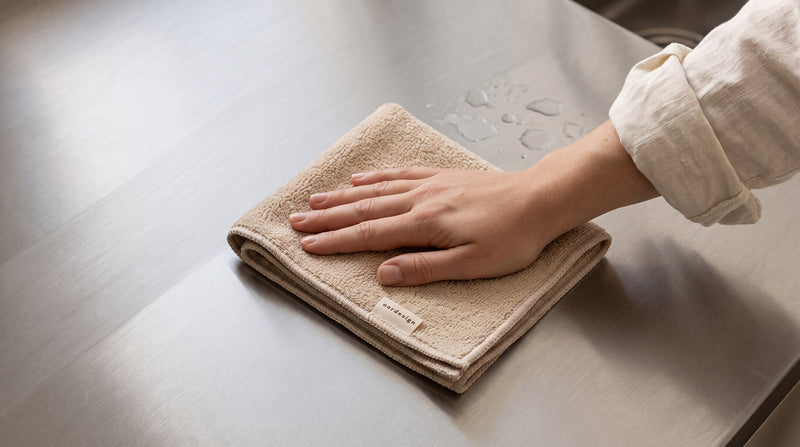
Zero Waste Cleaning: Washable & Compostable Sponges for Your Sustainable Home
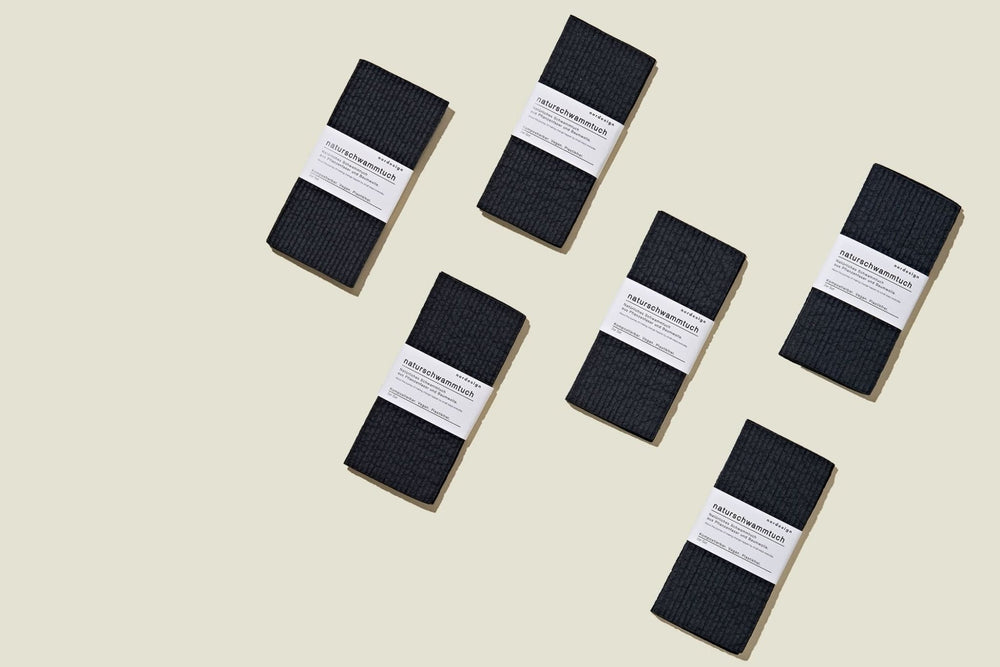
Daily cleaning is an important part of our everyday lives. Whether in the kitchen, bathroom, or car care, sponges are an indispensable tool in our homes. Given the environmental impact, more and more sustainable alternatives are being sought for all areas of life, including household cleaning. The solution? Washable and compostable household sponges.
In our blog post, we take a closer look at how washable sponges work, what materials are used, whether they are hygienic, whether they are more environmentally friendly than disposable sponges, and whether, in addition to their sustainability, they are also attractively priced for your home.
How do washable sponges work?
Washable sponges function similarly to conventional sponges, with the key difference that they are reusable. They are typically made of absorbent materials such as biodegradable natural fibers. This material enables effective yet gentle cleaning by absorbing dirt and moisture. Washable sponges are available in various sizes and shapes and can be used for a variety of purposes.
What materials are used for washable natural sponges?
Natural sponges are made from a variety of materials, with natural fibers (cellulose) being the most common. Sponges made from natural fibers such as pure cellulose, bamboo, coconut, or sisal fibers are also popular because they are biodegradable and environmentally friendly.
Are washable sponges hygienic?
Yes, natural sponges can be hygienic if properly cleaned and cared for. It's important to rinse the sponge thoroughly after each use to remove any cleaning product residue or dirt. Washable sponges can be cleaned either by hand or in a dishwasher or washing machine at temperatures between 65 and 90°C. Regular washing kills germs and bacteria, keeping the sponge fresh and odor-free. Store the sponge in a dry place when not in use. It is recommended to replace the sponge regularly to maintain hygiene.
Are washable sponges more environmentally friendly than disposable sponges?
Yes, washable sponges are considered a more environmentally friendly alternative to disposable sponges. Disposable sponges are often made of synthetic materials like plastic and are not biodegradable. They end up in landfills after a single use, contributing to environmental pollution. In contrast, washable sponges can be reused multiple times, significantly reducing waste. Furthermore, the use of sustainable materials like microfiber or natural fibers also reduces the resource consumption in sponge production. This makes a positive contribution to reducing the ecological footprint.
Washable sponges are not only more environmentally friendly but also more durable. Disposable sponges wear out quickly and need to be replaced regularly, whereas washable sponges last longer with proper care and cleaning. This results in cost savings and eliminates the need to constantly purchase new sponges.
How expensive are washable sponges compared to disposable sponges?
The price of washable sponges can vary depending on the brand, quality, and material. Washable sponges are generally slightly more expensive than disposable sponges because they are reusable and can be of higher quality. However, the exact price difference depends on various factors.
It's important to note that the higher initial cost of washable sponges is quickly offset by their reusability and durability. While disposable sponges need to be replaced regularly, a washable sponge can last for many months or even years before needing to be replaced. Therefore, in the long run, washable sponges can be more cost-effective.
Summarized for you:
Washable sponges offer a sustainable alternative to disposable sponges. They function similarly to conventional sponges, but are reusable and more durable. The use of natural fibers allows for effective, gentle, and scratch-free cleaning of various surfaces. With regular cleaning and dry storage, they stay hygienic and fresh. Washable sponges are also more environmentally friendly, reducing waste and conserving resources. While they may be slightly more expensive than disposable sponges, their reusability offsets the cost. Invest in washable sponges to make your cleaning process more sustainable and make a positive contribution to the environment.
More Home Stories
Soap dispenser no longer pumps: What can be repaired – and what cannot
Shampoo and shower gel dispensers in the shower: what matters when it comes to the pump, holder, and size
Cleaning countertops: What is allowed on which material

Washing kitchen towels: 60 degrees, no fabric softener – and why that’s enough

Wooden Wick Candle Goes Out: What Causes It and What Helps
How to Remove Fish, Onion & Garlic Smells from Your Hands — What Really Works
Silicone or stone drying mat: What really dries beside the sink