How is a loofah sponge actually made?

Loofah sponges can be found in many bathrooms around the world. They are known for their natural and sustainable form of body care and have a long history of use in various cultures. But how is a loofah sponge actually made? In this blog post, we'll take a closer look at the process of making a loofah sponge.
Step 1: Growing Luffa
The production of a loofah sponge begins with the cultivation of the loofah plant. Loofah, also known as sponge gourd or sponge gourd, is a plant belonging to the gourd family. It grows in warm climates and requires plenty of sunlight. The plant has long, slender fruits that develop a woody texture and fibrous structure when ripe.
To grow loofah, the seeds are planted in well-prepared soil. The plants require regular watering and care for optimal growth. After a few months, the loofah fruits reach full maturity and are ready for harvest.
Step 2: Harvesting and drying
Luffa fruits are harvested from the plants when they are fully ripe. At this point, they have a yellowish to brown color and their skin feels hard. Harvesting is usually done by hand, as the fruits are delicate and easily damaged.
After harvesting, the loofah fruits must be thoroughly cleaned to remove dirt and other impurities. They are then hung to dry in the sun or in well-ventilated areas. During the drying process, the outer skin of the fruits loses its green color and gradually turns brown. This process can take several weeks, depending on climatic conditions.
Step 3: Removal of skin and seeds
Once the loofah fruits are completely dry, they are ready for further processing. The outer skin of the fruits is now brittle and can be easily removed. By gently pounding or rubbing, the dried skins can be peeled off to reveal the fibrous structure of the loofah sponge.
After the outer skin is removed, the loofah fruits are cut in half to remove the seeds. These seeds can be saved for future growing cycles.
Step 4: Cleaning and shaping
The deseeded loofah pieces are thoroughly washed to remove all residue. This cleaning step is important to ensure the loofah sponge is clean and hygienic.
The loofah pieces are then shaped into the desired form. This can be done by cutting or sanding to achieve the desired size and shape of the sponge. They are often cut into rectangular or oval shapes that fit comfortably in the hand and allow for comfortable handling.
Step 5: Finishing and packaging
Once the loofah sponges have been shaped into the desired form, they can be further refined. This often involves removing unwanted fibers or hard spots to achieve a smooth surface. This step is performed manually to ensure the sponges are of high quality.
Finally, the loofah sponges are packaged and ready for sale. They can be offered individually or in sets and are available in various stores and online shops.
Conclusion:
The production of a loofah sponge is a fascinating process that begins with the cultivation and harvesting of the loofah plant. From drying and removing the outer skin to cleaning and shaping, the production of loofah sponges requires craftsmanship and care. The natural and sustainable properties of loofah sponges make them a popular choice for environmentally conscious consumers seeking an alternative to conventional synthetic sponges.
More Home Stories
Soap dispenser no longer pumps: What can be repaired – and what cannot

Shampoo and shower gel dispensers in the shower: what matters when it comes to the pump, holder, and size
Cleaning countertops: What is allowed on which material
Washing kitchen towels: 60 degrees, no fabric softener – and why that’s enough
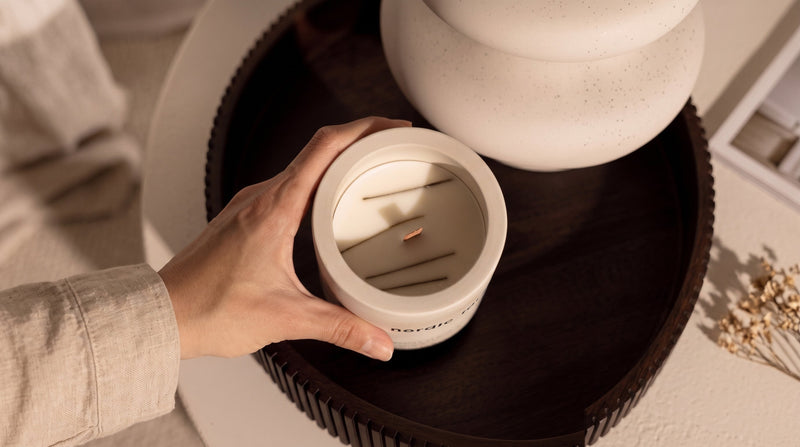
Wooden Wick Candle Goes Out: What Causes It and What Helps
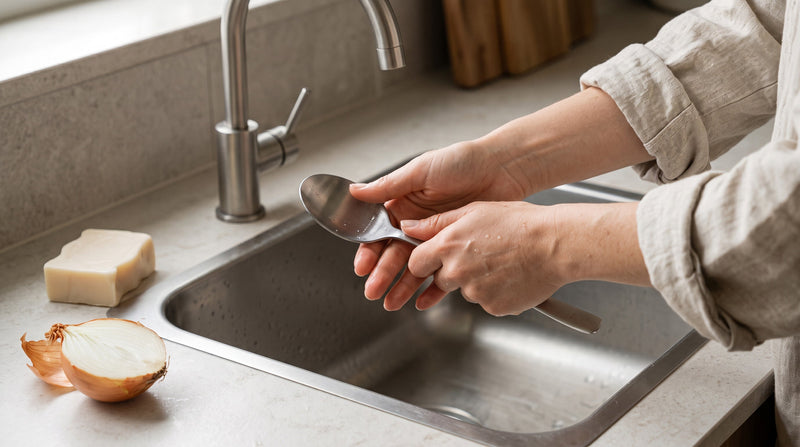
How to Remove Fish, Onion & Garlic Smells from Your Hands — What Really Works

Silicone or stone drying mat: What really dries beside the sink