How do I clean my sponge to avoid bacteria?
-
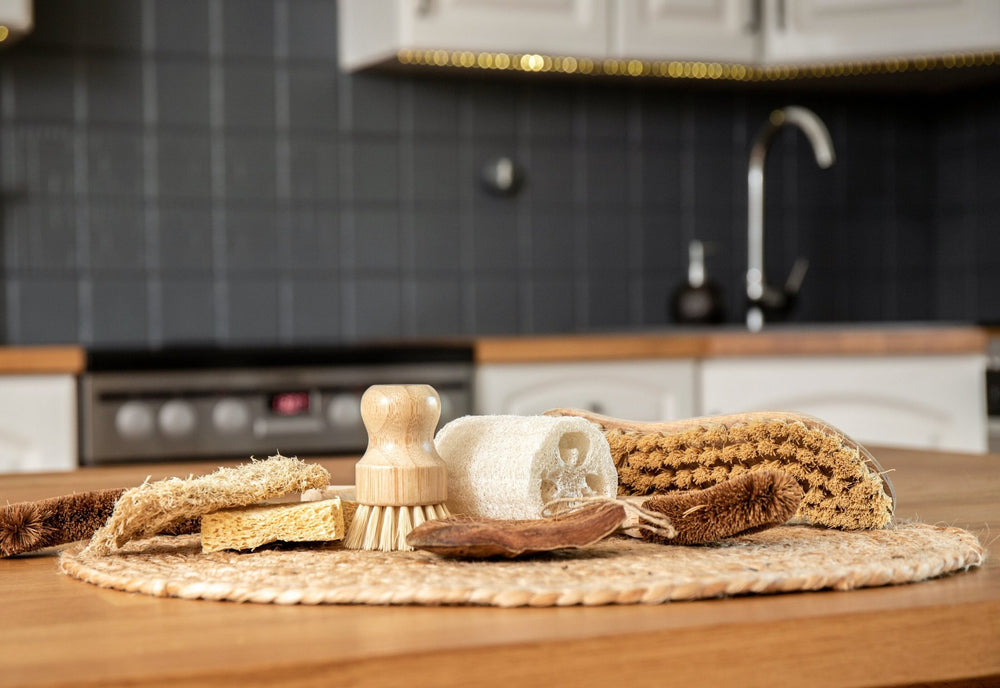
Replace regularly: Sponges should be replaced regularly, as they quickly accumulate bacteria and other germs. It's recommended to replace the sponge every two to three weeks to ensure optimal hygiene. To also do the environment a favor, consider using sustainable and eco-friendly sponges or sponge alternatives.
-
Rinse thoroughly: After each use, the sponge should be thoroughly rinsed under warm water to remove soap residue and dirt. Rinsing also helps reduce the number of remaining bacteria.
-
Microwave method: An effective method for killing bacteria is using a microwave. Thoroughly moisten the sponge and place it in the microwave. Set the microwave to full power and heat the sponge for 1-2 minutes. Make sure the sponge is damp, as a dry sponge can catch fire. The microwave radiation will kill most bacteria and make the sponge more hygienic.
-
Use disinfectant: Another way to kill bacteria is to use a disinfectant. There are special sponge disinfectants available on the market that help eliminate bacteria. Carefully follow the instructions on the packaging for optimal results.
-
Cleaning sponges in the dishwasher: Some sponges can be safely cleaned in the dishwasher. Simply place the sponge on the top rack of the dishwasher and run it on a hot cycle. Make sure the sponge does not come into contact with other dirty items to avoid possible cross-contamination.
-
Let the sponge dry: After cleaning, it's important to let the sponge dry thoroughly. Bacteria thrive in a humid environment, so it's advisable to store the sponge in a well-ventilated area. A good option is to let the sponge dry upright in a sponge holder or in the air.
-
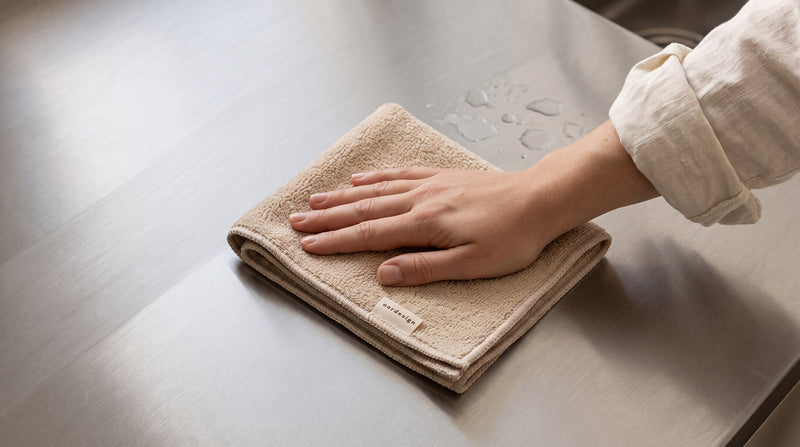
Alternatives to sponges: If you're concerned about the hygiene of sponges, there are other cleaning alternatives. Brushes with stiff bristles or microfiber cleaning cloths can be a more hygienic option. They're easier to clean and can be washed regularly if necessary.
Finally, cleaning your sponge regularly is crucial to prevent bacteria. By following the steps above and allowing the sponge to dry properly, you can significantly reduce the germ load. Remember, a hygienic sponge not only helps protect your health but also increases cleaning effectiveness. Thoroughly clean your sponges and keep them in optimal condition to ensure a clean and germ-free environment in your home.
More Home Stories
Soap dispenser no longer pumps: What can be repaired – and what cannot
Shampoo and shower gel dispensers in the shower: what matters when it comes to the pump, holder, and size
Cleaning countertops: What is allowed on which material
Washing kitchen towels: 60 degrees, no fabric softener – and why that’s enough
Wooden Wick Candle Goes Out: What Causes It and What Helps
How to Remove Fish, Onion & Garlic Smells from Your Hands — What Really Works
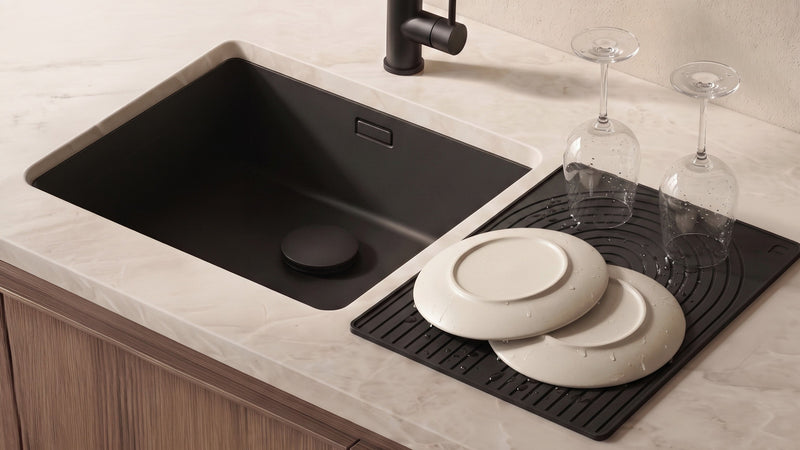
Silicone or stone drying mat: What really dries beside the sink