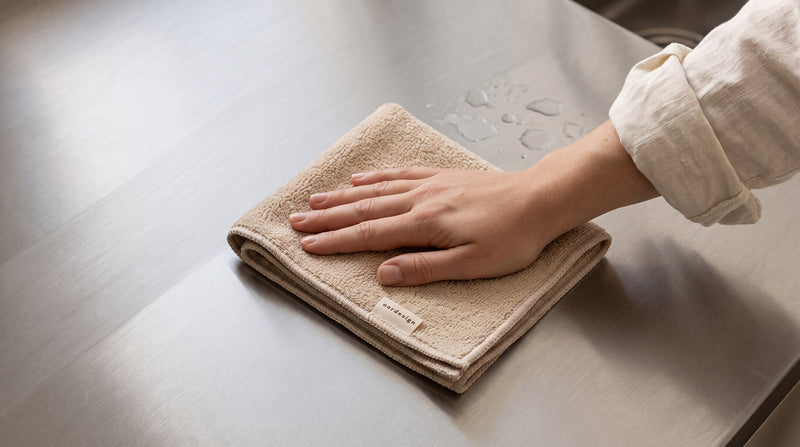
Kitchen organization: Practical tips for around the sink
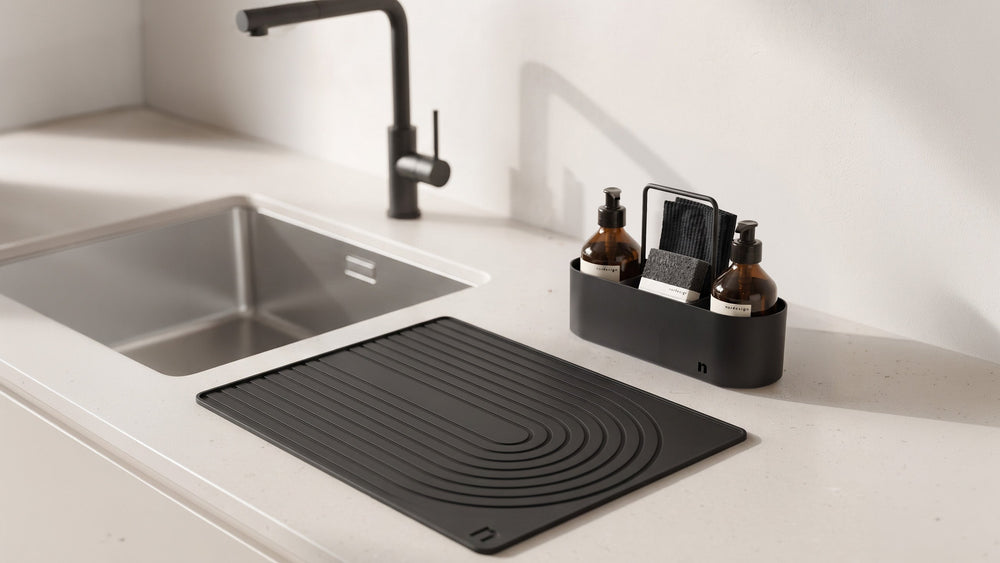
Order in the kitchen is the key to stress-free cooking and cleanliness. Clutter accumulates quickly, especially around the sink – dishes, sponges, and cleaning agents all compete for limited space. Through thoughtful organization of the kitchen, especially the sink area, you can save time and always maintain a hygienic workspace.
Why is organization around the sink so important?
The sink is the heart of many kitchens. It is where you wash dishes, chop vegetables, or wash your hands. Therefore, sensible kitchen organization at the sink is crucial for efficient workflows, pleasant aesthetics, and hygiene. Keeping things orderly here offers several benefits:
- Cleaning becomes easier as there are fewer items in the way.
- You can find cleaning agents, cloths, and brushes immediately.
- The risk of germs or unpleasant odors is significantly reduced.
- More space on the countertop makes working easier.
With a few quick steps and suitable storage solutions, you can transform the sink zone into an organized area that is both practical and inviting.
The biggest challenges at the sink
Many kitchen owners know the problem: various utensils, used glasses, and cleaning products accumulate around the sink. Kitchen organization at the sink often fails due to a lack of space and bad habits.
Typical challenges include:
- Dish soap, sponges, and brushes block the storage surfaces.
- Wet dishes pile up on the countertop.
- Waste and food scraps collect near the sink.
- The sink quickly looks messy and cluttered.
However, with a few targeted measures, you can optimize kitchen organization and make everyday life more pleasant.
The best storage solutions for sink utensils
Proper storage of sponges, brushes, and cleaning agents lays the foundation for a functional and clean sink zone. Start with small changes:
- Fasten dish and scouring sponges in a holder directly on the sink or wall. This ensures quick drying and prevents unpleasant odors.
- Place cleaning agents within reach on a tray or in a small basket. This keeps things from standing loosely and makes the surface look tidy.
- Opt for soap dispensers and dish soap dispensers instead of open bottles. These can be refilled, look neat, and take up less space.
- Use hooks or small mounts underneath the sink to hang brushes or cloths. This helps them dry faster and reduces mold growth.
With targeted storage ideas, organization in the kitchen at the sink becomes an easy task – without high costs or great effort.
Creating order under the sink
The area under the sink is often used as storage for cleaning supplies, trash bags, or spare sponges. However, there is often clutter here, which has negative consequences for overview and hygiene. An organized kitchen relies on clever solutions:
- Use stackable boxes or baskets with handles to store small items clearly.
- Install height-adjustable shelves to make the best use of often tall cupboard space.
- Label containers, for example for dishwasher tablets, all-purpose cloths, or hand brushes.
- Mount a towel rack on the inside of the door for cleaning cloths or trash bags.
- Plan a fixed place for the trash can and ensure it can be operated easily.
With these simple adjustments, real organization is created in the kitchen, even in the often-neglected area under the sink.
Dish management: Everyday life without piles and stress
Who doesn't know this? After cooking or eating, dirty dishes pile up at the sink. This not only causes bad odors but also makes working difficult. A central rule for kitchen organization at the sink is therefore: put dishes away immediately.
A few practical tips:
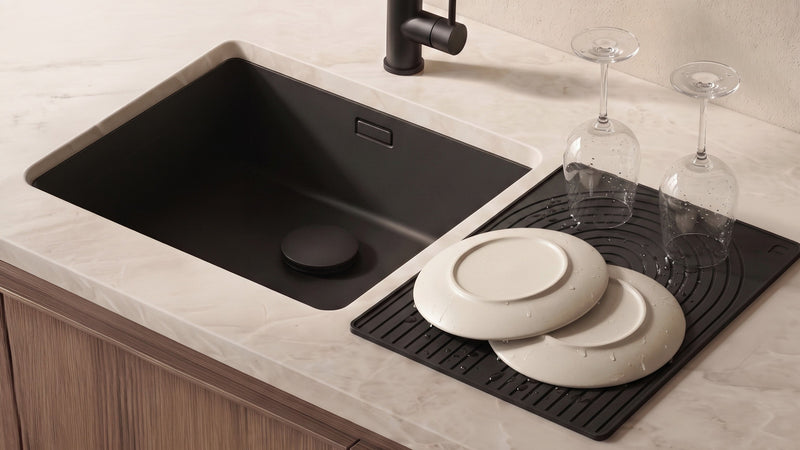
- Place a small, stackable dish drainer that is easy to clean directly next to the sink.
- Use space-saving dish racks whenever possible to dry wet dishes quickly.
- Set a short time window in the day to handle dishwashing and tidying up without procrastination. This prevents large piles.
- Encourage every family member to rinse plates and cups or put them in the dishwasher immediately after use.
This keeps the work surface clear, and kitchen organization begins at the sink.
Hygiene tips for a clean sink zone
Efficient organization goes hand in hand with cleanliness. Especially in the sink environment, germs, mold, or limescale can accumulate quickly. Therefore, follow these hygiene tips:
- Change sponges and cloths regularly, at least every 7-10 days.
- Clean the sink daily with a mild cleaner to remove residue.
- Descale the faucet and strainers monthly so that water residue does not form deposits.
- Always let cleaning utensils dry well. Use holders or ventilation slots to improve air circulation.
- Use reusable cloths instead of disposable materials to reduce waste.
A clean and well-maintained sink zone is essential for an organized kitchen and ensures well-being while cooking.
Optimal ergonomics at the sink
Not only order but also ergonomic placement is crucial for kitchen organization at the sink. Once you practice smart workflows, you save time and energy in the long run.
Tips for ergonomic workflows:
- Keep frequently needed utensils within reach and near the sink zone.
- Do not store heavy pots or pans near the floor, but rather at hip height.
- Place trash cans or organic waste bins directly under or near the sink to ensure short paths.
- An anti-slip mat under the sink cabinet prevents slipping when wet.
Thoughtful placement and good organizational structures around the sink make daily kitchen work more efficient and pleasant.
Sustainability and organization: Less is more
Organization in the kitchen at the sink includes sustainable behavior. With a few simple measures, you can ensure less waste and more clarity:
- Choose durable dishwashing utensils made of stainless steel or silicone.
- Reduce the use of disposable products like paper towels or single-use sponges.
- Rely on reusable microfiber cloths.
- Buy cleaning agents in refill packs to reduce packaging waste.
A sustainable approach helps maintain order and protects the environment in the process.
Kitchen organization as a daily routine
The most effective organization at the sink is achieved when every small action becomes a routine. A fixed sequence ensures clarity and minimalism.
This is how daily organization succeeds:
- Wipe down sink surfaces after use.
- Always return cleaning utensils to their designated place.
- Check all surfaces briefly in the evening and restore order.
- Check regularly which supplies and cleaning agents need to be restocked.
Give all kitchen users clear tasks and workflows – this way, organization around the sink remains permanently.
Conclusion
With thoughtful organization in the kitchen, especially at the sink, everyday life runs more smoothly. Clever solutions, small routines, and sustainable actions bring comfort and hygiene. Give it a try – your kitchen will thank you!
More Home Stories
Soap dispenser no longer pumps: What can be repaired – and what cannot
Shampoo and shower gel dispensers in the shower: what matters when it comes to the pump, holder, and size
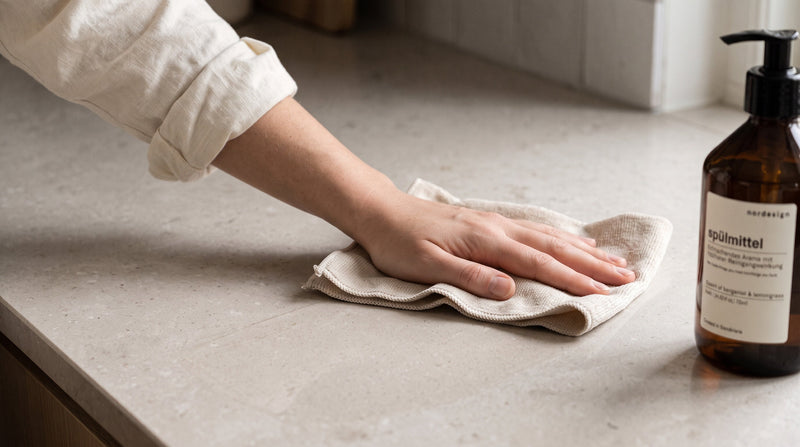
Cleaning countertops: What is allowed on which material
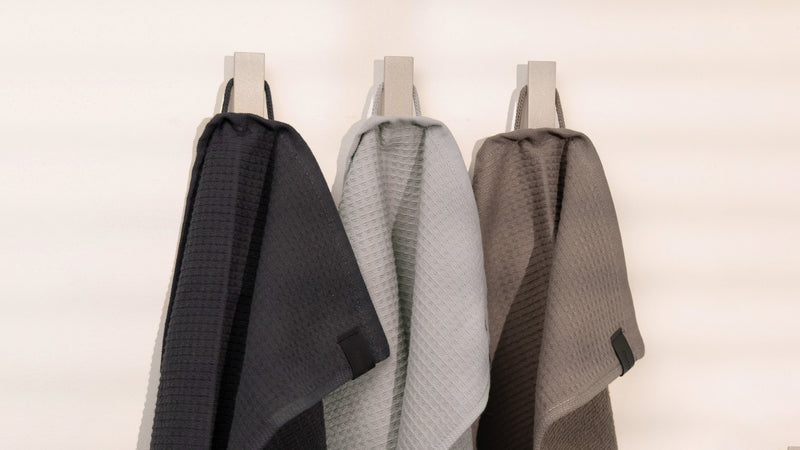
Washing kitchen towels: 60 degrees, no fabric softener – and why that’s enough
Wooden Wick Candle Goes Out: What Causes It and What Helps
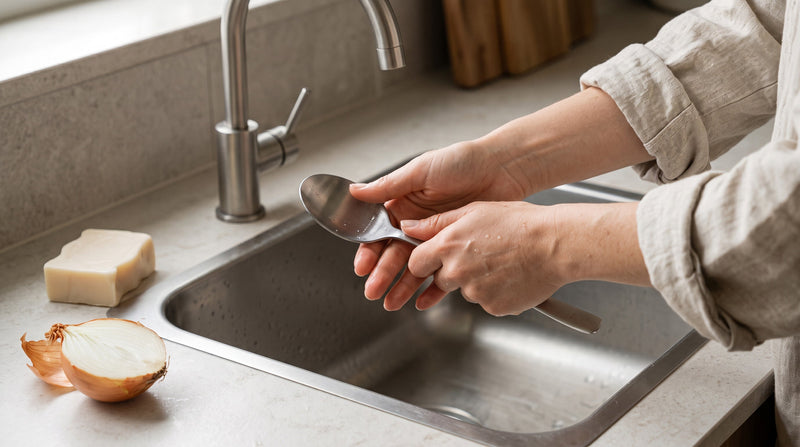
How to Remove Fish, Onion & Garlic Smells from Your Hands — What Really Works
Silicone or stone drying mat: What really dries beside the sink