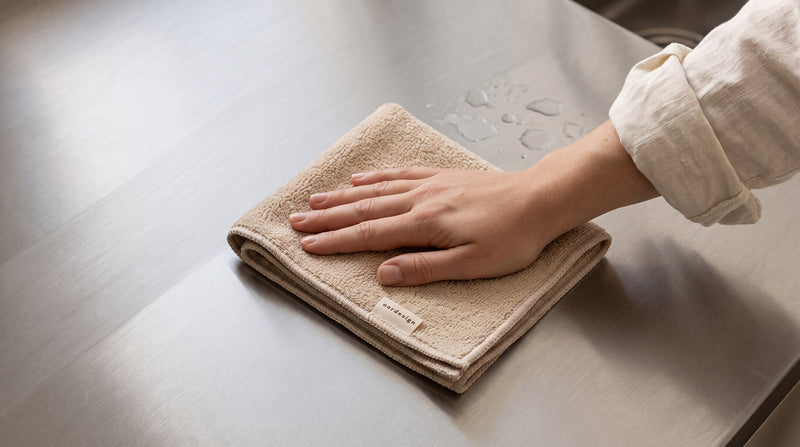
Natural materials for your sustainable home.
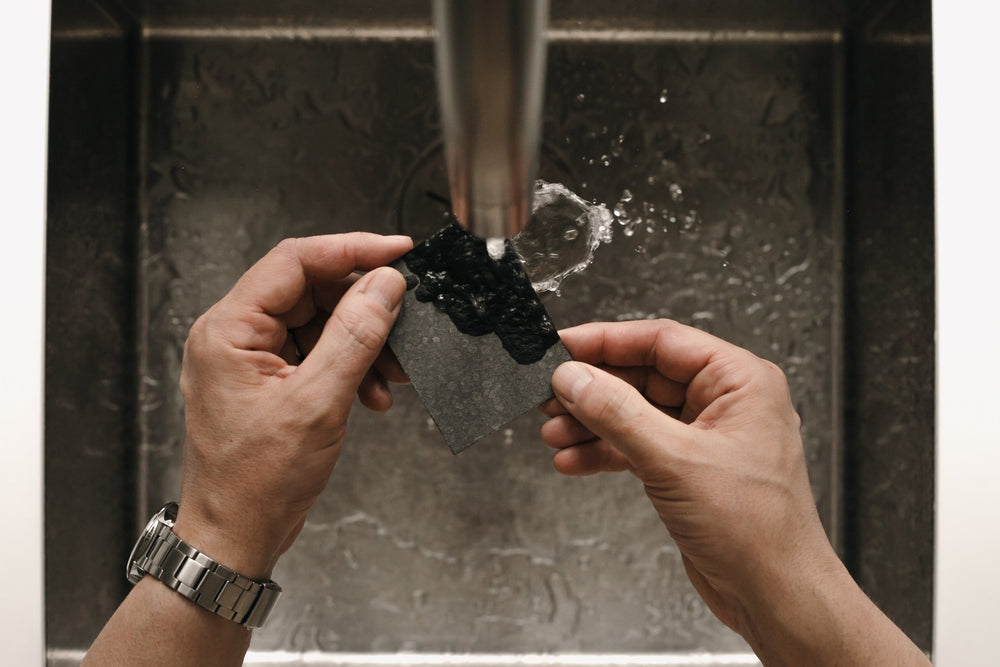

Cotton
Cotton is a soft, plant-based material obtained from the fine hairs of the cotton plant. Cotton sponges are highly absorbent and durable, boasting a long lifespan. Natural cotton sponge cloths are therefore biodegradable and can be composted after use, making them an environmentally friendly option. Cotton sponges are also hypoallergenic, making them ideal for people with sensitive skin.
cellulose
Cellulose is a building block of plant cells and is made from wood or paper. Cellulose sponges are highly absorbent and can absorb a lot of water. Their natural, open-pored surface structure makes them significantly less susceptible to mold growth and absorbs little to no odor. Cellulose is also biodegradable and can be composted after use.
Coconut fiber
Coir is a robust, plant-based fiber material obtained from the fibers of the coconut. Their strong fibers make coir household sponges extremely durable. Another major advantage is that the fibers don't leave scratches when scrubbing, because the natural surface is slightly pliable, unlike conventional plastic sponges. Nevertheless, they are well-suited for cleaning stubborn dirt and are ideal for use in the kitchen and bathroom.
Overall, all three materials offer a number of advantages as natural materials for household sponges. All are durable and biodegradable. Each material has its own unique properties and advantages. Of course, choosing the best material depends on the individual needs and preferences of the consumer. At nordesign, we combine all the advantages of natural materials and offer you a sustainable alternative to conventional cleaning sponges.
Do you have any questions? Please feel free to contact us!
Let's reduce / reuse / recycle.
More Home Stories
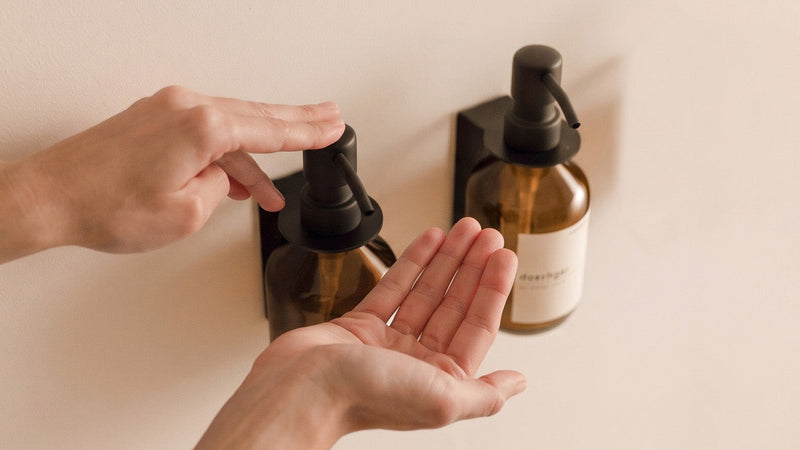
Soap dispenser no longer pumps: What can be repaired – and what cannot
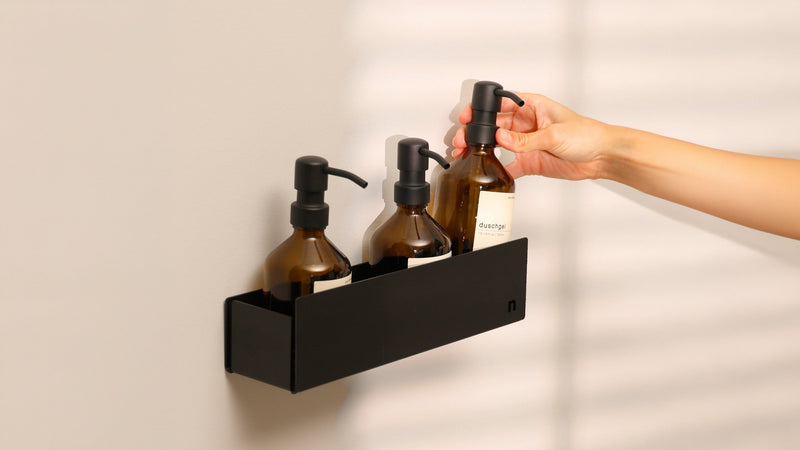
Shampoo and shower gel dispensers in the shower: what matters when it comes to the pump, holder, and size
Cleaning countertops: What is allowed on which material
Washing kitchen towels: 60 degrees, no fabric softener – and why that’s enough
Wooden Wick Candle Goes Out: What Causes It and What Helps
How to Remove Fish, Onion & Garlic Smells from Your Hands — What Really Works
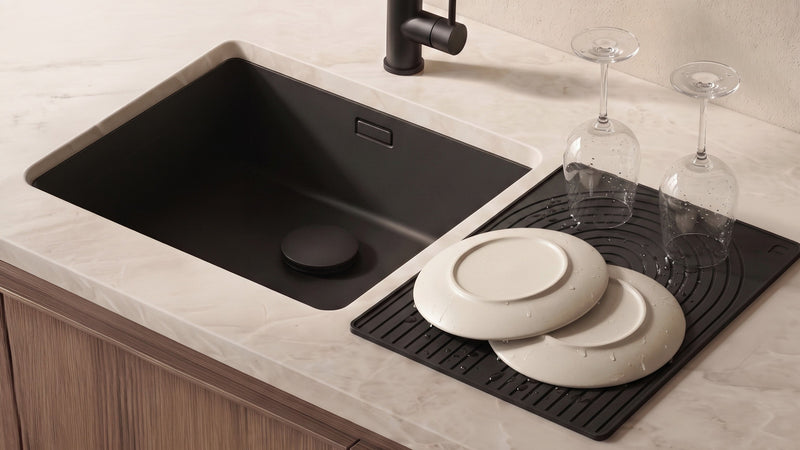
Silicone or stone drying mat: What really dries beside the sink